
Culture & Heritage
A LIVING HERITAGE
Thousands of years of civilisation echo through every stone, every textile, every flavour. Come and listen.
AD 1438 – 1533
The Inca Empire
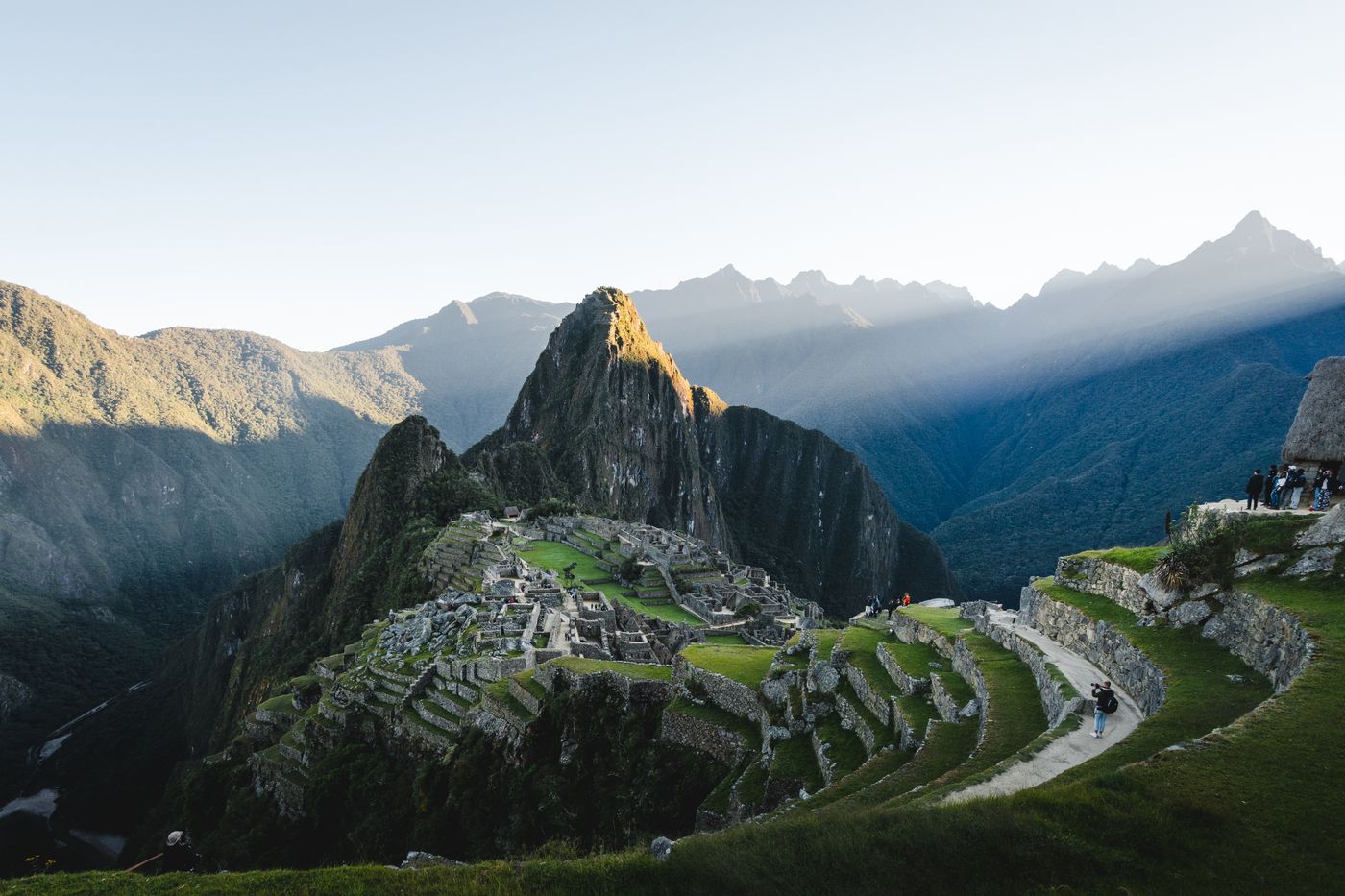
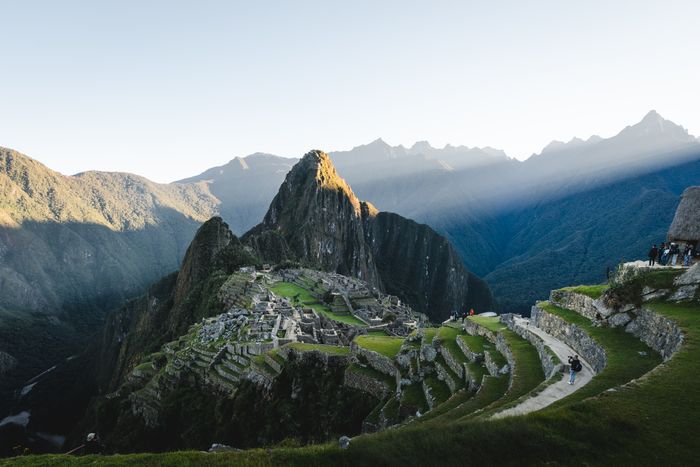
At its peak, the Inca Empire — Tawantinsuyu, "the four regions" — stretched from modern Colombia to Chile. Its engineering, agricultural terracing and astronomical knowledge continue to inspire wonder. Most of our itineraries begin in Cusco, the empire's ancient capital.
- ◆Over 40,000 km of road network
- ◆No written language — oral & knot-based record-keeping
- ◆12 million citizens at its height
Living Heritage
Andean Traditions Today
The mountains of Peru are not a museum — they are alive. From the weaving cooperatives of Taquile to the Quechua-speaking communities of the Sacred Valley, indigenous traditions thrive in remarkable continuity with the past.
- ◆Quechua spoken by 8+ million people
- ◆UNESCO-recognised textile traditions
- ◆Inti Raymi festival celebrated annually since 1944
Culinary Heritage
Peru's Culinary Identity
Peruvian cuisine is recognised by UNESCO as Intangible Cultural Heritage. The country possesses over 4,000 native potato varieties, 55 varieties of corn and ingredients still harvested in the same way they were 3,000 years ago.
- ◆Lima named Best Culinary Destination (2012–2023)
- ◆Ceviche: UNESCO Intangible Heritage
- ◆Three biodiversity zones in one country
Archaeology
Beyond Machu Picchu
Peru is home to over 100 major archaeological sites beyond Machu Picchu — from the mysterious Nazca Lines to the mud-walled city of Chan Chan, the largest pre-Columbian city in South America. Each site unlocks a different chapter of human history.
- ◆Chan Chan: 20 km² UNESCO World Heritage site
- ◆Nazca Lines: over 800 geoglyphs
- ◆Huaca de la Luna: 1,500-year-old murals